With Family and Friends Graphic Design Review
As an embroidery designer who has worked with countless digital embroidery files, I often find myself evaluating a design not just for its visual appeal, but for how it will perform in real-world applications. With Family and Friends Graphic Design is one such file that caught my attention for its emotional resonance and practical versatility. In this review, I’ll walk through how this design holds up when applied to custom projects—like tote bags, sweatshirts, and personalized gifts—and where you might need to take extra care.
A Heartfelt Design with Strong Visual Personality
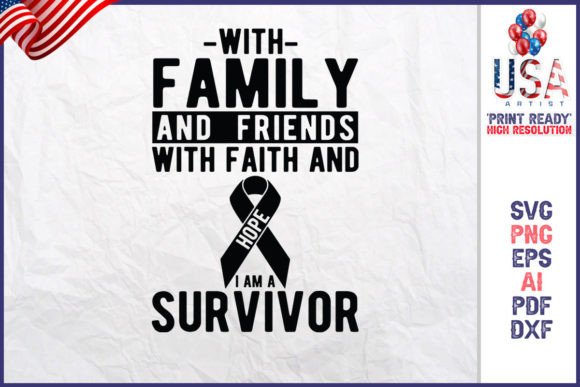
The first thing that stands out about With Family and Friends Graphic Design is its warm, uplifting message. The phrase “With Family and Friends, With Faith and Hope, I Am A Survivor” is beautifully structured, with a layout that balances typography and spacing. The font style feels both modern and timeless, making it suitable for a wide range of handmade products. The design doesn’t rely on overly intricate details or complex outlines, which is a big plus when considering stitchability across different fabric types and machines.
What makes this graphic particularly appealing is the way it conveys resilience and community. It’s a versatile sentiment that can be used in personal projects, like memorial gifts or baby items, as well as commercial ventures such as boutique branding or small shop merchandise. The clean lines and thoughtful composition make it feel professional while still being approachable—an important trait for any machine embroidery design aimed at emotional connection.
Real-Life Use: Custom Embroidered Tote Bags
I recently considered using With Family and Friends Graphic Design for a batch of custom embroidered tote bags intended for a holiday gift line. The design’s readability and positive tone fit perfectly with the purpose. When viewed up close, the lettering remains clear, and the overall shape of the design wraps around the canvas without feeling cramped or distorted.
In terms of stitching clarity, the balance between satin stitch elements and fill stitch areas was spot-on. This ensures that the text remains legible even after multiple washes—a key concern for any tote bag or apparel project. The subtle use of decorative accents adds character without overwhelming the central message. For a product like a tote bag, where the design is often seen from a distance, this level of detail is ideal.
Customer reactions during mockups were overwhelmingly positive. People appreciated the sentiment, and many mentioned how meaningful it would be as a personalized gift. That kind of feedback is rare and valuable, especially for Etsy sellers or creative entrepreneurs looking to connect emotionally with their audience.
Where This Design Shines
- Custom Apparel: Sweatshirts and t-shirts benefit from the bold yet elegant presentation of this design. It reads well from afar and maintains clarity up close.
- Baby Items: The softness of the message combined with the simplicity of the design makes it perfect for onesies, bibs, or nursery decor. Just ensure the thread colors contrast well with the garment background.
- Tote Bag Design: Whether you’re creating eco-friendly bags for your own craft business or selling them online, this design adds a touch of personality without being too busy.
- Holiday Gifts: As a holiday embroidery project, it works great for pillows, aprons, or kitchen towels. The uplifting theme fits well with seasonal cheer and remembrance.
- Commercial Embroidery: If you're planning to scale up production, this design offers a strong visual identity that aligns with brand consistency and professionalism.
Handmade Product Value and Giftability
This design elevates the visual appeal of any handmade product, especially when paired with high-quality fabrics and thread. Its thematic strength also increases the product value by adding a narrative layer—something that customers notice and appreciate. As a result, it enhances customer trust and perceived quality, which is essential for Etsy sellers and small shop products.
For those aiming to create something memorable, the design’s adaptability across formats—SVG PNG cutting print ready files included—makes it a solid choice for both physical and digital assets. You can easily integrate it into printable mockups or digital previews, helping buyers visualize how it will look on their chosen item before purchasing.
Design Considerations for Real Projects
While With Family and Friends Graphic Design is highly adaptable, there are certain scenarios where you should proceed with caution. Here are some real-life factors to consider before committing to this design:
Small Hoop Sizes and Textured Fabrics
If you're working with a tight hoop size, especially for patches or caps, you may need to simplify the layout or resize carefully. The design contains enough detail to maintain integrity when scaled down, but very tiny hoops could compromise the smallest letters or decorative elements. Always check the recommended hoop size if provided; if not, test on scrap fabric first.
Textured fabrics like flannel or denim can affect stitch definition. While the design handles moderate texture well, overly rough or stretchy materials may cause distortion. A good stabilizer is essential here to keep everything aligned and crisp.
Dark Fabric and Tiny Lettering
On dark backgrounds, the contrast of thread colors becomes critical. This design uses light-colored text by default, but depending on your project, you might want to switch to white or cream threads for better visibility. Also, the smaller details—such as the fine strokes in the letters—can become less distinct on darker fabrics unless you adjust the stitch density or thread shade.
For embroidered patch work, the design is generally safe, but you’ll want to inspect the corners and edges closely to ensure they don’t fray or lose definition after trimming. Testing on a sample piece before mass production is always a smart move.
Products That Require Frequent Washing
Given that this design includes both satin and fill stitches, it holds up well under normal washing conditions. However, if you're producing items like baby clothes or aprons that get frequent use and laundering, you'll want to use durable threads and possibly reinforce dense areas with a bit more stabilizer. The design’s structure allows for this kind of reinforcement without losing its aesthetic charm.
Designer Notes for Practical Application
Here are a few tips I’ve picked up while integrating this design into various projects:
- Test on Scrap Fabric First: Especially if you’re planning to use it on stretchy or thin materials, see how it behaves in a real stitch-out.
- Check Thread Color Contrast: Make sure the chosen thread colors stand out against the fabric background. Sometimes, black looks best, other times white or pastel shades add elegance.
- Review Stitch Density: Look at how tightly packed the stitches are. If you're working with delicate garments, you might need to loosen the density slightly to avoid puckering.
- Confirm Hoop Size: If the file description doesn’t specify a recommended hoop size, double-check the dimensions yourself. Some machines handle larger designs better than others.
- Inspect Small Details: Magnify the design to check for tiny elements that might not stitch cleanly. Adjust or simplify if necessary.
- Use Proper Stabilizer: Especially for curved surfaces or stretchy fabrics, a good backing material can prevent distortion and ensure a clean finish.
- Test in Black and White Mockups: Before finalizing thread colors, try viewing the design in grayscale to assess how it will appear on different colored bases.
- Compare Light and Dark Backgrounds: Understand how the design adapts visually to both. This helps when creating a cohesive collection of products.
- Confirm Licensing Before Selling: If you plan to sell finished goods or digital embroidery files, always verify licensing terms to protect yourself legally.
Final Thoughts for Embroidery Project Planning
With Family and Friends Graphic Design is a standout option for anyone involved in embroidery projects that aim to tell a story. Its emotional weight and clean layout make it suitable for a wide variety of applications—from heartfelt personalized gifts to polished commercial embroidery pieces.
However, like any embroidery file, its success depends on how well you understand its limitations and strengths. By taking time to evaluate it in context and preparing accordingly, you can ensure that it brings the right amount of warmth and professionalism to your finished product.
Whether you're an apparel decorator, a creative entrepreneur, or simply a hobbyist looking to elevate your craft, this design offers a solid foundation for building something meaningful. Just remember to adapt it to your specific needs and materials, and you’ll be well on your way to creating a memorable handmade product.