Review of Faith Hope Love Bible Verse SVG Design for Real Embroidery Projects
As an experienced embroidery designer and product reviewer, I often find myself evaluating SVG files not just for their visual appeal but for how they translate into real-world stitched results. The Faith Hope Love Bible Verse SVG Design caught my attention as a potential asset for both personal and commercial embroidery projects. It’s the kind of design that speaks to a specific audience—those who value spiritual themes in their handmade products. Let me walk you through my practical evaluation based on actual use scenarios.
First Impressions: Mood and Aesthetic
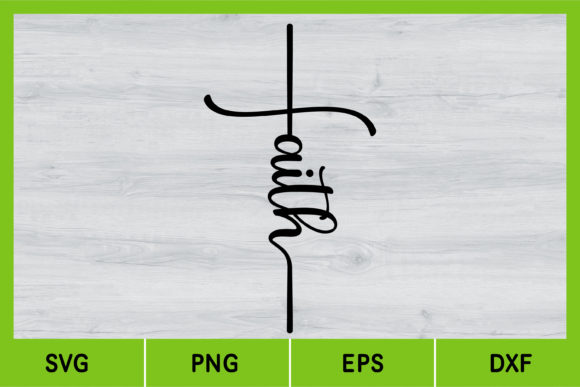
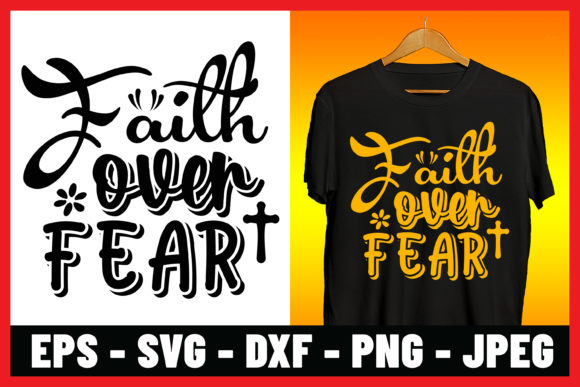
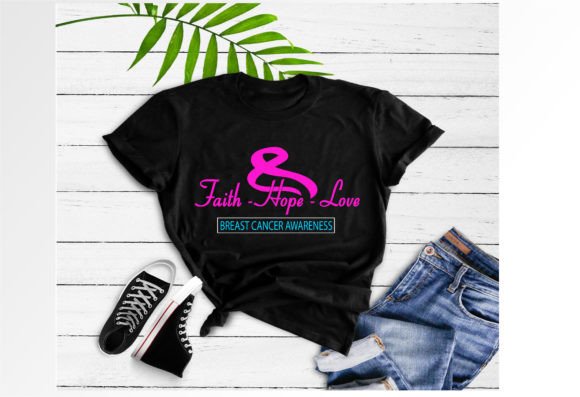
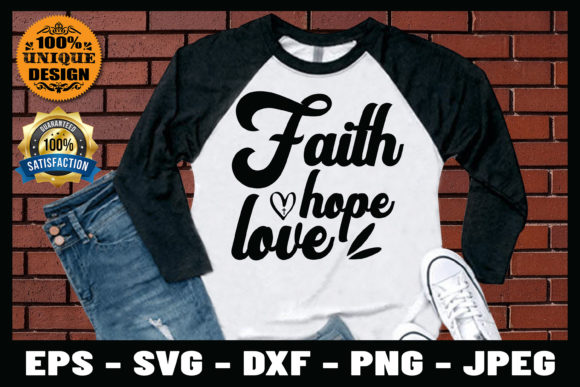
The Faith Hope Love Bible Verse SVG Design immediately conveys a sense of calm confidence and purpose. Its layout is clean, with bold lettering that emphasizes key words like “Faith,” “Hope,” and “Love.” These are central themes in many Christian-based designs, and this one does them justice without being overly ornate or cluttered.
What stands out most is the balance between simplicity and meaning. The design doesn’t rely on excessive detail or complicated fonts, which makes it versatile for different applications. It has a modern yet timeless feel, fitting well for both contemporary apparel and more traditional handmade items. The text alignment and spacing suggest it was thoughtfully designed for readability after stitching, especially when using satin stitch or running stitch techniques.
Where This Design Fits Naturally
I see this design working particularly well for custom apparel, such as sweatshirts, t-shirts, and tote bags. It could also be adapted for baby clothes, nursery decor, or holiday gifts where a meaningful message is desired. For example, imagine creating a custom embroidered tote bag design with this verse as a gift for a graduation or wedding—its understated elegance would add a touch of sincerity and sentimentality.
Additionally, the design might serve as an applique design if layered with other elements, like floral borders or simple icons. But keep in mind that its current structure is more suited for standalone use than intricate layering due to the minimal background details.
Real-Life Embroidery Performance
When considering how this design will perform in real-life embroidery situations, there are several factors to take into account. First, the thread colors used in the preview are bright and clear, which is great for visibility on light-colored fabrics. However, for dark fabric backgrounds, you’ll want to test thread color contrast carefully—especially if you’re aiming for high visibility and legibility.
The stitch density seems appropriate for most standard embroidery machines. There are no densely packed fill stitches that might cause puckering or tension issues, which is a big plus. The main body of the design uses a mix of satin and running stitches, making it adaptable to various fabric types and project styles.
For commercial embroidery, the design holds up well as a digital embroidery file. It’s scalable enough for different sizes while maintaining clarity, which is essential when producing multiple units for resale. As an Etsy seller or someone involved in a craft business, you can confidently use this design in your design assets to create personalized gifts or small shop merchandise with a consistent look and feel.
Stitch Clarity and Visual Appeal
One thing I always check before committing to a design is how it looks once stitched. The embroidery file for this design maintains sharp edges and even spacing, which contributes to a polished final appearance. The letters are large enough for easy reading, though those with very tiny font variations should inspect them closely—some may require extra attention to avoid distortion.
In terms of visual appeal, the design feels cohesive and professional. It doesn’t overwhelm the viewer, which is important for handmade product branding. Customers tend to respond positively to designs that communicate clearly and carry emotional weight without unnecessary complexity.
Use With Caution: Practical Limitations
While this design is versatile, there are certain conditions where it might need adjustments:
- Small hoop sizes: The design may lose impact if shrunk too much. Check whether all text remains legible at reduced scale.
- Textured fabrics: Fabrics like denim or canvas may show imperfections in the stitch lines. Test with proper stabilizer to ensure smooth results.
- Thin or stretchy materials: If you're working with lightweight knits or delicate fabrics, adjust stitch density and hoop pressure accordingly to prevent stretching or tearing.
- Curved surfaces: On items like caps or curved patches, the flat layout may require some tweaking to fit the surface shape without distorting the text.
- Dense stitch areas: While the overall stitch count isn't overwhelming, any overlapping sections (like decorative accents) could become problematic on thin layers.
If you're planning to embroider onto layered garments or items that will undergo frequent washing, consider reinforcing the design with additional backing or using durable thread types. Also, don’t overlook the importance of printable mockups—they help set realistic expectations for buyers or clients and improve customer trust.
Designer Notes for Optimal Results
Here are some practical tips to help you get the best from this machine embroidery design:
- Test on scrap fabric first: Especially if you're new to the design or working with a unique material.
- Check thread color contrast: Use black-and-white mockups to simulate how the design will appear on darker fabrics.
- Review stitch density: Adjust settings to match the fabric type and machine capabilities.
- Confirm hoop size: Ensure your hoop can accommodate the full design without forcing it into an unnatural shape.
- Inspect small details: Look for any fine lines or tiny characters that may need reinforcement or simplification.
- Compare light and dark backgrounds: This helps determine visibility and whether additional outlining is necessary.
- Use proper stabilizer: Especially important for stretchy or slippery materials to maintain stitch integrity.
- Check licensing before selling: If you plan to sell finished products or digital embroidery files, confirm the license allows commercial use.
Design Impact on Product Value and Branding
Using the Faith Hope Love Bible Verse SVG Design can elevate the perceived value of your handmade product. It adds a layer of intentionality and meaning, which customers appreciate in personalized gifts or faith-based merchandise. For small shop product lines or craft fair products, this design can reinforce brand consistency by aligning with your store’s values or aesthetic.
From a buyer engagement perspective, the design's simplicity encourages focus on the message rather than the embellishment. That makes it ideal for holiday gifts or wedding gifts where sentiment matters more than flashiness. It also supports professionalism in commercial embroidery projects, helping establish credibility for digital product sellers or apparel decorators.
Giftability and Recognition
This design enhances giftability significantly. Whether it’s a custom embroidered patch for a child’s backpack or a sweatshirt embroidery piece for a Sunday school class, the message resonates. It’s also recognizable from a distance, which is a bonus for finished product displays at markets or online shops like Etsy.
Its broad appeal makes it suitable for diverse audiences, including young adults, families, and religious communities. However, since it leans toward a specific theme, it may not suit every customer. Always consider your target market before listing it in your Print Templates or Graphics catalog.
Final Thoughts and Recommendations
Overall, the Faith Hope Love Bible Verse SVG Design is a solid choice for designers looking to incorporate meaningful text into their embroidery work. It’s clean, readable, and emotionally resonant, making it a strong candidate for custom apparel, nursery decor, and handmade shop items. Just remember to tailor the application to the fabric, project type, and intended use.
If you're an embroidery project creator or creative entrepreneur, take the time to evaluate how this design fits into your existing line. Does it support your brand story? Will it hold up over time? Can it be easily customized for different products?
Finally, always verify file formats, hoop size compatibility, and license terms before using it in production or selling it as part of a Graphics package. Even the best design can fall short if it doesn’t meet technical or legal requirements.
With the right preparation and thoughtful placement, this design can enhance your product recognition, strengthen customer connection, and contribute to a more impactful embroidery project portfolio.