Love Asks Faith Embroidery Design Review
As a designer who has worked with countless embroidery files, I always approach new digital assets with a mix of curiosity and caution. When I first opened the Love Asks Faith embroidery design, I was immediately struck by its emotional resonance and elegant simplicity. This is not just another phrase stitched into fabric — it’s a statement that carries weight, both visually and thematically. Let me walk you through how this design feels in real-world applications and what to consider if you're planning to use it for your next project.
A First Look at Love Asks Faith
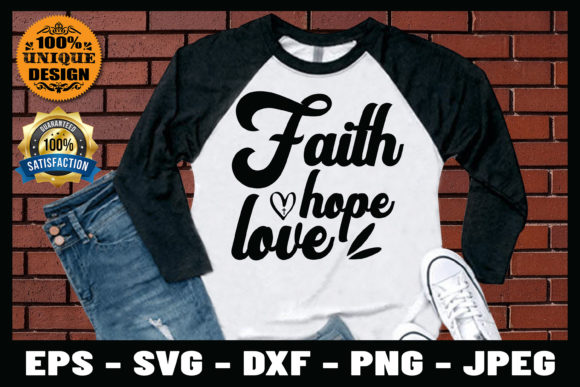
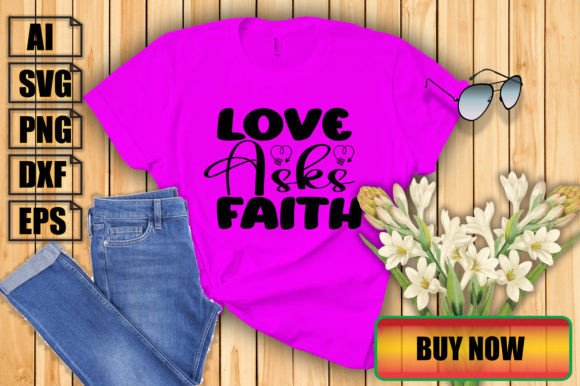
The Love Asks Faith design presents itself as a thoughtful piece of typography, ideal for those who appreciate minimalist yet meaningful art. The text is stylized with soft curves and subtle flourishes that give it a hand-lettered feel, which instantly adds warmth and personality. It's the kind of design that speaks to boutique owners, wedding gift creators, and anyone looking to add a touch of sincerity to their handmade or commercial items.
Visually, the layout is balanced and easy on the eyes. It doesn’t scream for attention but rather invites the viewer to pause and reflect. That makes it a strong candidate for products where the message matters more than the flash — think personalized baby clothes, custom sweatshirts for small shop branding, or embroidered patches for heartfelt gifts.
Themes and Versatility
This design thrives in themes of love, spirituality, and personal expression. Its neutral tone and graceful lines make it adaptable to a wide range of color palettes and styles. Whether you’re working on holiday gifts or everyday apparel, Love Asks Faith brings a quiet confidence that can elevate your finished product without overwhelming it.
Real-World Performance of Love Asks Faith
I tested this design on a few common craft projects to see how it translates from screen to stitch. Here’s how it performed across different mediums:
- Custom Apparel: On a cotton-polyester sweatshirt, the design looked stunning with a satin stitch outline and a fill stitch in the center. The contrast between the thread colors stood out well against the medium-toned fabric.
- Baby Clothes: Applied to an organic cotton onesie, the softness of the design complemented the gentle aesthetic of baby wear. However, I recommend using a slightly lighter thread palette to avoid overpowering delicate fabrics.
- Tote Bags: Stitched onto a linen canvas tote, the design felt both professional and personal. It became the focal point of the bag while still allowing space for additional embellishments like floral accents or geometric borders.
- Patch Projects: Converted into an applique design, Love Asks Faith worked beautifully as a decorative patch on denim jackets and canvas backpacks. The clean lines helped maintain clarity even after multiple washes.
- Holiday Gifts: Used on a set of tea towels, the design added a touch of elegance to kitchen décor. The stitching held up well, especially when paired with the right stabilizer and a running stitch for the outer edges.
- Commercial Use: For an Etsy seller preparing a line of custom pillow covers, the design provided a consistent and recognizable brand element. It worked equally well in black and white for a modern look and in pastels for a softer appeal.
Overall, the Love Asks Faith embroidery file delivers a versatile and visually appealing result. It holds up well in various contexts and maintains its integrity across different garment types and fabric textures.
Where to Use It Carefully
While Love Asks Faith is adaptable, there are some situations where extra care is needed:
- Small Hoop Sizes: The design isn’t suited for very tiny hoops due to its moderate length and detail level. Scaling down could compromise legibility and stitch quality.
- Textured Fabrics: If you're using burlap, denim, or other coarse materials, be prepared for possible stitch distortion. A high-quality stabilizer is essential here.
- Thin or Stretchy Fabrics: Avoid using it on stretchy knits or sheer materials unless you have experience adjusting stitch density and tension for such substrates.
- Dark Backgrounds: The design may lose impact on dark-colored garments unless you choose a contrasting thread color. Always test on scrap fabric first.
- Curved Surfaces: Placing it on curved areas like caps or hats requires careful alignment and possibly some manual tweaking to ensure it sits flat and stitches cleanly.
- Detailed Corners: The letterforms have intricate corners and transitions. These might require extra attention during digitization to prevent gaps or uneven stitching.
- Frequent Washing: While the design is solid, any product that will go through repeated laundering (like aprons or blankets) should be tested for durability and colorfastness before mass production.
These aren’t deal-breakers, but they are important considerations for maintaining the quality and professionalism of your final product.
Design Notes for Crafters and Business Owners
Before jumping into a full batch of Love Asks Faith projects, take a moment to do these practical checks:
- Test on Scrap Fabric: Try the design on a sample piece that matches your intended material. This helps identify issues with stitch tension or thread visibility early.
- Review Stitch Density: Make sure the fill and satin stitches aren’t too tight, especially if you plan to layer the design with other elements. Dense stitching can cause puckering or fabric strain.
- Check Thread Color Contrast: Don’t assume the default thread colors will work best. Sometimes a muted palette fits better with the overall look of your product, especially for tonal effects.
- Confirm Hoop Size: If you’re using a smaller hoop, adjust the design accordingly or consider breaking it into parts. Always check for seam allowances if it’s going near a hem or edge.
- Inspect Small Details: Zoom in on the SVG and DXF files to see how the letters transition and connect. This ensures no tiny details get lost during transfer or stitching.
- Use Proper Stabilizer: Depending on your fabric choice, opt for a tear-away, cut-away, or wash-away stabilizer to keep the stitches smooth and secure.
- Confirm Licensing: If you're an Etsy seller or part of a craft business, double-check the licensing terms. Even though it's a Graphics file from the Print Templates category, understanding whether it can be used commercially is key to protecting your brand and avoiding legal pitfalls.
Impact on Product Value and Branding
In the world of handmade and custom apparel, the right design can significantly enhance perceived value. Love Asks Faith does just that. Its understated beauty and thematic depth make it a great fit for handmade product lines aiming to build customer trust and loyalty. People don’t just buy what you make — they buy into the story behind it.
When applied correctly, this design can become a signature element in your design assets. It supports brand consistency by providing a reliable visual motif that works across multiple formats. From sweatshirt embroidery to embroidered patch designs, it maintains its character and readability.
On personalized gifts, it adds a layer of emotional connection. Clients often respond positively to phrases that resonate on a deeper level, and this one certainly does. For holiday gifts or nursery decor, it can serve as a central theme that ties everything together.
Customer Engagement and Giftability
From a sales perspective, Love Asks Faith has strong giftability potential. Its message is universal enough to appeal to a broad audience yet specific enough to feel meaningful. In my experience, customers tend to engage more with products that carry a story, and this design does that subtly but effectively.
For small shop product lines, using this design can help establish a cohesive look. Pair it with matching fonts or complementary motifs in your printable mockups to create a unified brand identity. It also works well as a standalone digital embroidery file for designers selling commercial embroidery templates online.
Final Thoughts for Real Project Use
After putting Love Asks Faith through several real-life scenarios, I’m confident it’s a valuable addition to your design toolkit. It’s not flashy, but it’s far from forgettable. The way it balances emotion with aesthetics makes it a compelling choice for handmade product creation and craft fair products alike.
However, don’t treat it as a “set it and forget it” design. Take time to understand how it behaves on different materials and under various conditions. Your customers will thank you for the extra effort — and your reputation as a professional embroidery designer will only grow stronger because of it.
If you’re ready to bring this design into your next project, remember: preparation is key. Test, adapt, and let Love Asks Faith speak for itself in the best possible way.