Accept What Is Let Go of What Was SVG Review
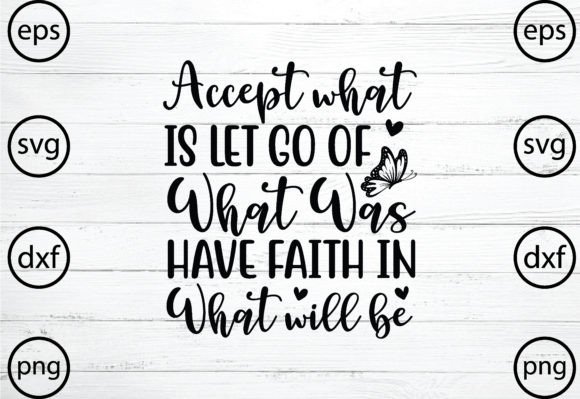
As an experienced embroidery designer and product reviewer, I always look for SVG files that bring both emotional resonance and practical usability to real-world projects. Accept What Is Let Go of What Was SVG caught my eye with its thoughtful message and elegant visual composition. This design is more than just a phrase — it’s a concept rendered in a way that feels both comforting and stylish. Let’s break down how this machine embroidery design might perform in different applications and what you should consider before using it.
First Impressions: A Design That Speaks to the Soul
The moment I opened the digital embroidery file, I was struck by its balance of simplicity and depth. The text layout is clean but not too minimalist; there's enough detail in the lettering to give it character without overwhelming the viewer. The shape of the design feels organic, almost like hand-lettered typography, which makes it ideal for handmade products or personalized gifts. The theme is introspective yet uplifting — a perfect fit for custom apparel or holiday embroidery pieces where sentiment matters as much as style.
I could see this design working beautifully on a sweatshirt or tote bag, especially if paired with soft pastel thread colors. It has a calm, reflective mood that would appeal to customers looking for something meaningful yet subtle. For baby items or nursery decor, the tone could be adjusted slightly with stitch types and color choices to feel more whimsical or serene, depending on your brand personality.
Real-World Application: Where This Design Shines
Let’s imagine a scenario where I’m preparing a custom embroidered tote bag for a boutique client who wants to offer mindfulness-themed products. Accept What Is Let Go of What Was SVG would be a natural choice here. Its message aligns well with wellness and self-care trends, making it a great addition to small shop product lines or Etsy listings.
For custom apparel, such as a women’s sweatshirt or men’s T-shirt, this design brings a level of sophistication that elevates the finished product. The layout allows for easy resizing while maintaining readability, so whether you’re embroidering on a large back panel or a smaller chest area, the design adapts well.
On tote bags, the design can be placed near the bottom hem or centered across the front. When using satin stitch outlines for the letters, it adds a nice touch of elegance. If the fabric is medium-weight cotton, the result will be crisp and clear. I’d also consider using it as an embroidered patch for denim jackets or backpacks — the strong visual identity helps the piece stand out even when stitched in a smaller format.
This SVG illustration works equally well in aprons, pillow covers, or kitchen towels. The message fits into everyday objects, adding a layer of meaning that customers appreciate. As an Etsy seller or craft business owner, you’ll find that this design supports a wide range of handmade product categories, from casual wear to home décor.
Visual Appeal and Brand Consistency
One thing I noticed right away is how versatile the design is in terms of visual appeal. Whether you're going bold with contrasting thread colors or keeping it soft and minimalistic, the embroidery project maintains its integrity. The clarity of the lines ensures that the message remains legible, even after multiple washes — which is important for tote bag design or other garments used frequently.
From a branding perspective, this design can become part of a cohesive line of design assets. Its consistent structure and font style allow it to blend with other designs in your collection. You can pair it with nature elements, floral motifs, or geometric accents to create a full suite of commercial embroidery content.
Where to Use With Caution
While this design is beautiful and functional, there are some situations where you’ll want to proceed carefully:
- Small hoop sizes: The design may require scaling down, which could affect the clarity of the wording. Always test it on scrap fabric first.
- Textured fabrics: If you plan to use it on canvas or flannel, be prepared for variations in stitch definition. Adjust stitch density accordingly.
- Thin or stretchy materials: These can distort the design unless properly stabilized. A tear-away or cut-away stabilizer is essential for preserving the details.
- Dark fabric backgrounds: Thread color contrast becomes critical. Consider using light-colored threads for visibility.
- Products needing frequent washing: While the design holds up well, ensure proper backing and thread tension to avoid fraying over time.
If you're thinking about using this SVG on curved surfaces like caps or hats, keep in mind that the corners and curves may need slight adjustments to conform to the shape. Also, watch out for dense stitch areas — they might cause puckering if not handled correctly.
Customer Reaction and Giftability
When reviewing designs for commercial use, I always think about how a customer might react. Accept What Is Let Go of What Was SVG is one of those rare illustrations that can evoke emotion without being over the top. People tend to gravitate toward designs that reflect inner strength or healing, and this one does that subtly.
It’s highly giftable — think holiday gifts, graduation keepsakes, or wedding favors. Customers love seeing personal messages come to life through embroidery, and this design gives them a powerful statement. As a personalized gift, it offers both visual and emotional value, which can significantly increase buyer engagement and repeat sales.
Designer Notes: Tips for Real Projects
Here are a few practical tips I’ve learned while working with similar SVG illustrations:
- Test on scrap fabric before final stitching. Especially if you're planning to scale the design or change thread colors.
- Check thread color contrast against the fabric. Black and white mockups can help visualize the final look.
- Review stitch density to avoid issues like fabric distortion or skipped stitches. Too tight and it puckers; too loose and it loses definition.
- Confirm hoop size requirements. Some machines handle larger hoops better, while others struggle with stability beyond certain limits.
- Inspect small details like serifs or tiny spaces between letters. They might not render well on all machines or fabrics.
- Use proper stabilizer for delicate or stretchy materials. Hoop-back stabilizers work best for most T-shirt designs.
- Compare light and dark fabric backgrounds to ensure the design is visible and appealing in both scenarios.
- Verify licensing if you're planning to sell the finished product or digital versions. Many SVG files have restrictions on commercial use.
Handmade Presentation and Professionalism
For handmade shop owners, the presentation of the design matters. Accept What Is Let Go of What Was SVG looks best when stitched with care and attention to quality. Using high-quality thread and ensuring precise alignment can make a big difference in perceived professionalism.
Even if the design itself isn’t overly intricate, the execution can elevate the overall aesthetic of your product. This is particularly important for small shop merchandise or craft fair products, where the finish says everything about your brand’s attention to detail.
Final Thoughts on Accept What Is Let Go of What Was SVG
In summary, Accept What Is Let Go of What Was SVG is a design that speaks volumes. It carries weight in both message and appearance, making it suitable for a variety of T-shirt designs and graphics projects. From sweatshirt embroidery to embroidered patches, it adapts well and maintains its charm.
However, as with any machine embroidery design, success depends on careful preparation and testing. Pay close attention to fabric texture, hoop size, and stitch types. If you're aiming for a premium look, don’t hesitate to experiment with thread combinations and layout positioning.
Whether you're an embroidery designer, apparel decorator, or creative entrepreneur, this SVG illustration offers a solid foundation for building meaningful, marketable products. Just remember to treat it like any other embroidery project — with patience, precision, and purpose.